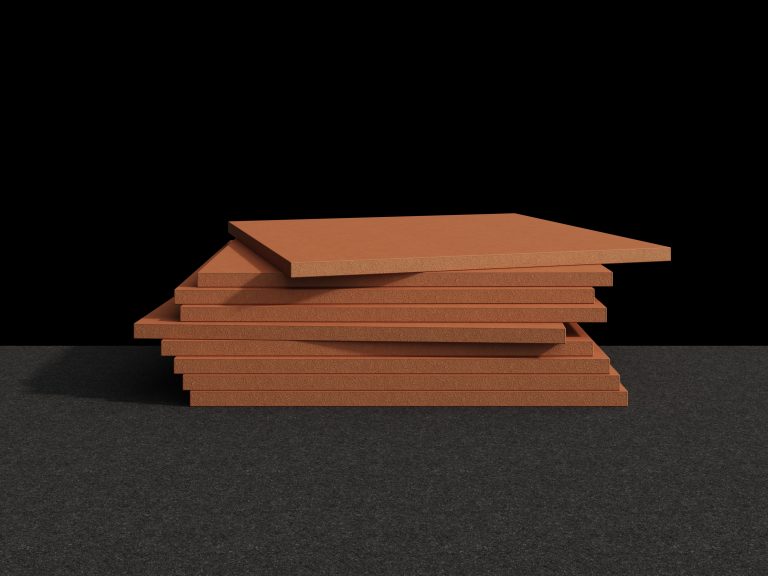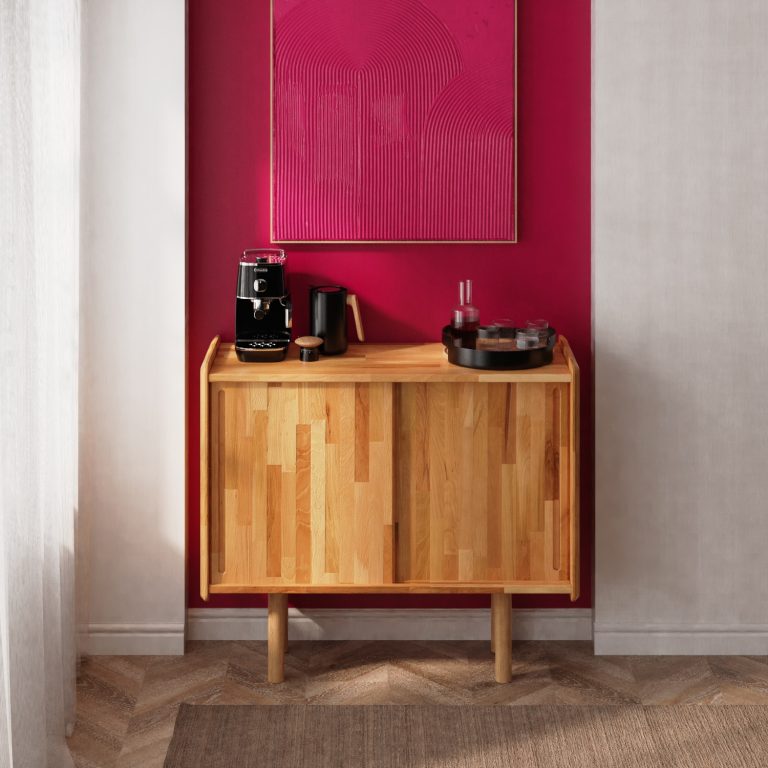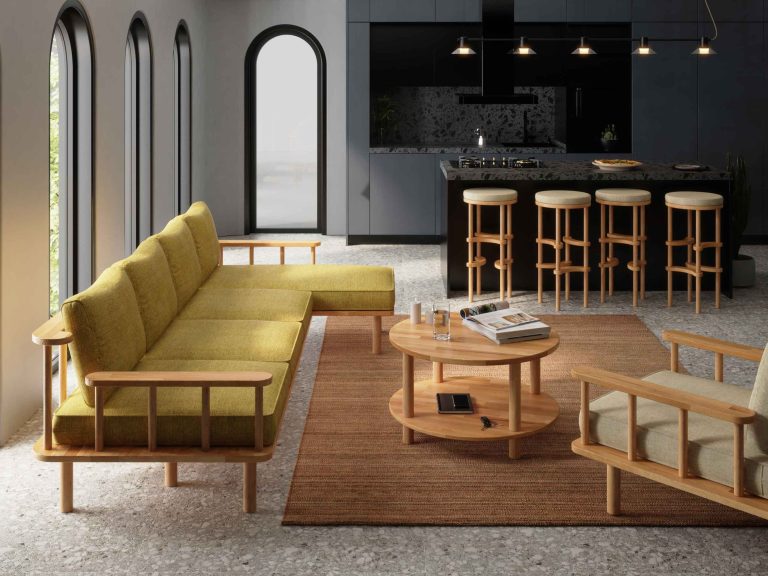
MDF or chipboard? One of the most common questions in furniture and interior projects is which panel material to choose. Although both products are wood-based panels, they differ significantly in their production processes, physical properties and areas of use. In this guide, we offer a detailed comparison to help you select the right material for your project.
What Is MDF?
MDF (Medium Density Fiberboard) is a homogeneous panel product made by pressing fine wood fibers with urea-formaldehyde resin under high temperature and pressure. Thanks to its smooth surface, it is exceptionally well suited to painting, laminate facing and CNC machining.
What Is Chipboard?
Chipboard (particleboard) is a panel material produced by mixing wood particles with resin and pressing them. It has a coarser internal structure than MDF, but its affordability makes it widely used.
Key Differences Between MDF and Chipboard
1. Surface Quality
Because MDF is made from fine fibers, its surface is exceptionally smooth and uniform. This makes it ideal for painted and lacquered finishes in particular. Chipboard has a rougher surface and is typically used with laminate or melamine facing.
2. Workability
MDF is very well suited to CNC cutting, routing and profiling. Its edges cut cleanly and evenly. Chipboard, on the other hand, can chip along the edges when cut, which is why it requires edge banding.
3. Durability and Strength
Thanks to its homogeneous structure, MDF offers higher screw- and nail-holding capacity. Chipboard’s screw-holding strength is lower than MDF’s due to the voids in its internal structure, although this gap narrows in thicker boards.
4. Weight
MDF is heavier than chipboard — a factor worth considering when it comes to transport and assembly in large furniture projects. Chipboard’s lighter weight is an advantage, particularly in shelving and partition-wall applications.
5. Price
Chipboard is the more economical option compared with MDF. Chipboard is favored for budget-constrained projects, while MDF is the smarter investment where quality and aesthetics come first.
6. Moisture Resistance
In their standard forms, both materials are sensitive to moisture. However, moisture-resistant versions of both are available: MDF MR (Moisture Resistant) and moisture-resistant chipboard. These special versions should be chosen for humid spaces such as bathrooms and kitchens.
Which Should You Choose, and When?
Choose MDF for: painted furniture, lacquered doors, decorative CNC cutting, profiled doors, applications requiring a smooth surface, and projects that call for detailed workmanship.
Choose chipboard for: laminate-faced furniture carcasses, shelving systems, partition walls, budget-friendly projects, and large surface cladding.
Sourcing the Right Material with Genya Orman Ürünleri
At Genya Orman Ürünleri, we offer a wide range of thicknesses and sizes across both our MDF and chipboard product lines. You can source products from Turkey’s leading manufacturers — including AGT, Yıldız Entegre and Kastamonu Entegre — at wholesale prices. To determine the best material for your project, reach us via our contact page.
For detailed product information, see our MDF product page and our chipboard product page.